

How to Log In to Woo Casino: Step-by-Step Guide
🎰 Learn how to log in to Woo Casino with ease. From account setup to troubleshooting and security tips, access your gaming account hassle-free every time! 🔒
Edited By
Amelia Scott
Casino woo is a term tossed around in gambling circles, but few truly understand its meaning or implications. At its core, casino woo refers to the belief in lucky charms, rituals, or strategies that supposedly tilt the odds in a player's favour, even when logic and mathematics say otherwise.
This article sheds light on what casino woo really means, why it holds sway over many players, and how it influences behaviour at the tables and slots. Whether you're a seasoned punter, a casino affiliate trying to get inside your audience's head, or a marketing pro aiming for better engagement, grasping the psychology behind casino woo can help you avoid common pitfalls and make smarter decisions.
We will explore the myths that persist, dive into the psychological reasons people cling to these beliefs, and provide tips on how to approach gambling with a clearer head. By the end, you’ll be equipped to spot casino woo from a mile away and sidestep the traps that come with it.
Let's break things down and make sense of what many see as sheer luck, but might just be a mix of human nature and clever illusions.
"Understanding the folk beliefs behind gambling can reveal as much about people as the games themselves."
Before diving into how casino woo plays out in the gambling world, it's essential to nail down what exactly it means. Defining casino woo gives us a solid baseline, making it easier to separate fact from fiction and helps players understand the subtle line between superstition and sound gambling strategy. Without this clarity, folks might fall into the usual traps — chasing lucky charms or following myths that do nothing but chip away at their bankroll.
In practical terms, understanding casino woo helps players avoid blowing their money on unfounded beliefs. It also arms casino affiliates and marketing pros with insight into player psychology, helping craft more transparent messaging. Plus, game developers can better appreciate how such beliefs affect player behaviour and motivation.
The term "casino woo" originally cropped up among gamblers to describe the superstitious thoughts and behaviours that pop up around games of chance. "Woo" here reflects the mystical or magical thinking side of gambling — the idea that certain rituals, lucky objects, or even wearing a particular shirt can somehow influence the outcome of random events. This concept isn't unique to casinos but is more visible given the high stakes and emotional swings.
Historically, gamblers have been known to develop all sorts of rituals — from tapping slot machines in a special way to blowing on dice before a roll. The phrase "casino woo" captures these practices, highlighting the fine line between harmless fun and potentially harmful beliefs.
Among players, "casino woo" is often used to describe their own or others' behaviours that don't quite make it to logical decision-making. For example, someone refusing to play a slot machine because it feels "cursed" or changing seats based on a hunch falls squarely into casino woo. It's common enough that most gambling circles recognise it as a mix of superstition and hope.
This term also surfaces in chat forums, podcasts, and gambling advice columns when discussing why players think they can influence odds through non-scientific means. Understanding this common usage means recognising that casino woo is less about downright ignorance and more about the human desire to feel in control when randomness dominates.
The core difference between casino woo and the actual mechanics of chance boils down to superstition versus probability. Probability is a mathematical concept grounded in statistics — for instance, knowing that a fair roulette wheel has an equal chance of landing on any number. Superstition, on the other hand, involves beliefs without empirical support, like wearing "lucky socks" or avoiding a machine because it’s hit the jackpot recently.
Many players fall into casino woo because it offers comfort or a sense of control, but it doesn't change the underlying randomness. It’s a mental shortcut, a way to cope with the unpredictability of gambling, rather than a technique to improve outcomes.
To put it plainly: luck is the actual random event that favours a player, while woo is the belief that something else influenced that event. For example:
Luck: Hitting a blackjack shoe with a 21 naturally happens due to card distribution.
Woo: Believing that placing a bet after a certain sequence of losses will "break the streak".
Another example is a player thinking a certain slot machine is "due" because it hasn’t paid out recently — this is a classic gambler’s fallacy, a clear case of casino woo. The machine’s randomness resets every spin; past outcomes don’t influence future spins.
Recognising the distinction between actual chance outcomes and superstitious thinking is key for any gambler who wants to keep their head straight and wallet intact.
Understanding these differences allows players to focus on strategies backed by math rather than relying on unfounded beliefs that only provide false hope. It's a crucial step towards responsible gambling and enjoying the game for what it is, not what they wish it to be.
Understanding why players gravitate towards casino woo sheds light on the deeper human behaviours at play. It’s not just silly superstition; there’s solid psychology behind it, which explains why these beliefs persist despite evidence. Getting a grip on these mental processes helps gamblers and industry folks alike get a clearer picture of how some decisions are influenced by more than just odds, sometimes leading to misguided bets or emotional ups and downs.
Players often turn to casino woo because their minds shape reality to ease uncertainty. Let’s break down the factors:
One big driver is how our brains crave patterns to make sense of randomness. For example, if someone hits a jackpot after tapping a lucky coin, they might overestimate the coin’s 'power' due to something called illusory correlation—linking unrelated events. This clouded judgment makes them overlook the chance element and believe luck can be influenced by rituals or charms.
Another cognitive twist is pattern recognition gone wild. It’s why players often think slot machines show a ‘hot streak’ when really, each spin is independent. These biases help explain why woo thrives: they fill the brain’s need for control in uncertain gambling situations.
On top of cognitive quirks, emotions play a big role. Gambling is a rollercoaster; the thrill of the game and fear of losing money mix to create stress and excitement. Casino woo offers emotional comfort, like a security blanket, helping players feel more at ease or confident.
For example, carrying a small talisman might help someone feel luck is on their side, reducing anxiety. It’s a way our emotions tie us to beliefs that might not hold up in logic but serve a purpose to make the experience less daunting.
This classic bias tricks players into thinking past outcomes influence future ones. Imagine you’re watching red spin several times on a roulette wheel; gambler’s fallacy fools you into believing a black is "due" next, despite the odds staying the same each spin.
Recognising this fallacy is vital. It prevents chasing losses under false pretences or making bigger bets thinking a ‘winning moment’ is around the corner just because of prior streaks.
This bias means people tend to notice information that confirms their pre-existing beliefs and ignore anything that contradicts them. In casino woo terms, a player might remember the jackpot they hit after wearing a 'lucky' cap, but forget all the times they lost while wearing it.
Being aware of confirmation bias helps gamblers stay objective and evaluate their bets based on facts and probabilities, not selective memory.
Understanding these psychological traps empowers players to handle woo sensibly and avoid costly mistakes.
Knowing how mind tricks influence behaviour in casinos isn’t about killing the fun; it’s about playing smartly and recognising when beliefs might be steering choices off course.
Understanding the everyday manifestations of casino woo is crucial for anyone looking to get a grip on how superstition influences gambling behaviour. This section explores popular beliefs and rituals that players often cling to, explaining what they are and how they affect decision-making at the tables or machines.
Many gamblers trust in lucky charms or specific rituals hoping these will tilt fortune in their favour. This might range from carrying a particular coin or wearing a favourite hat to performing certain gestures—like blowing on dice or tapping slot machines before a spin. These practices provide a psychological comfort, helping players feel more in control in an environment dictated largely by chance.
Yet, while they don’t change the odds, such rituals can impact a player’s mindset positively by reducing anxiety or boosting confidence. For example, a poker player who always sits in the same seat or uses a ‘lucky’ deck might feel steadier during play. Recognising this helps gamblers separate emotional support from actual strategic value.
The belief in ‘hot’ or ‘cold’ machines is widespread in casinos. Players often think that a slot machine that has paid out recently is ‘hot’ and more likely to do so again. Conversely, a ‘cold’ machine is expected to be due for a payout soon. This idea leads to chasing patterns that don't reflect the scientific truth: slot outcomes are random and independent.
However, focusing on patterns may create a false sense of predictability. For instance, a gambler might switch machines based on someone else’s winning streak, which can quickly drain their wallet. Understanding that patterns are illusions rather than reliable signals can prevent unnecessary losses.
Some players develop betting strategies grounded purely in superstition. They might increase bets after losses, believing they’re on a streak bound to reverse (a twist on the gambler’s fallacy), or they play ‘even money’ bets because they feel these are ‘luckier’. Others adjust stakes depending on the time of day or their horoscope’s forecast.
While these tactics add an element of ritualised behaviour to gaming, they usually have no impact on actual outcomes and often lead to poor money management. A sensible approach involves relying on clear budgeting and understanding odds instead of chasing a hunch born from superstition.
Many myths circulate among punters; for example, that crossing hands at the blackjack table brings bad luck or that a dealer’s attire affects the game. Others believe counting cards or tapping the table in a specific way can influence outcomes. These myths, while harmless in some cases, can skew player focus and lead to distracted or emotional decisions.
Appreciating these myths allows players to laugh them off or keep them as light-hearted parts of the casino experience without letting them dictate strategy. Separating myth from reality is key to maintaining control and enjoying gambling responsibly.
Whether it's a charm in your pocket or a lucky ritual, knowing the line between belief and fact helps avoid the pitfalls of casino woo. It’s the grounded players who walk away with their wits—and often, their wallets—intact.
Typical examples of casino woo provide a snapshot of how superstition blends into gambling culture, influencing players in subtle yet significant ways. Recognising these behaviours and myths prepares gamblers to engage with games more thoughtfully and avoid common traps fueled by unfounded beliefs.
Understanding how casino woo affects gambling outcomes is more than just an academic exercise—it's about recognising how certain beliefs can shape player behaviour and, ultimately, results. Players who lean too heavily on luck-based superstitions might overlook the math behind games, which can lead to poor choices and unexpected losses. This section breaks down the real impact, based on scientific insight and practical consequences.
Casinos operate on a foundation of randomness, largely ensured by complex algorithms in online platforms or mechanical randomness in physical machines like pokies or roulette wheels. Each spin or card draw is independent, meaning past outcomes don't influence future ones. It’s a bit like flipping a coin; just because it landed on heads five times in a row doesn’t mean tails are "due" next.
Understanding this helps gamblers avoid falling into pitfalls like chasing patterns that simply don't exist. In pokies, for example, the machine’s Random Number Generator (RNG) decides every outcome, so no ritual or lucky charm can sway the odds. This reinforces the futility of relying on ‘woo’ as a strategy.
Luck is often used to describe genuine chance events—things beyond our control that can go right or wrong. Superstition, however, suggests control where there really isn’t any. Telling the difference is crucial because it affects how players handle winning and losing. If you think wearing your “lucky socks” caused a jackpot, you might increase your bets irresponsibly next time, expecting the same result.
Real luck is impartial and unpredictable, whereas superstition puts a narrative on randomness, often leading to mistaken beliefs. Recognising this difference encourages a more grounded approach to gambling, where decisions are based on odds, not rituals.
Believing in casino woo can lead to chasing losses or betting more than intended because of the idea that “the next win is just around the corner”. This mindset risks emptying wallets faster, as players ignore the house edge and real probabilities.
For example, a gambler repeatedly switching machines “to find a hot one” is often just wasting money, since all machines are designed with a built-in margin favouring the house. In extreme cases, this can spiral into significant financial trouble, especially if players borrow money or use credit to fund these bets based on superstition.
Casino woo can mess with your head more than your bank balance. When outcomes never align with expected “luck”, players can feel frustrated, anxious, or even paranoid. This emotional rollercoaster can escalate into problem gambling behaviours and withdrawal from reality.
Furthermore, the belief that superstitions control results might create a false sense of control, which backfires when losses mount. Instead of facing the math, gamblers might double down on woo, entrenching unhealthy habits. Over time, this can erode confidence and increase stress.
Understanding the real impact of casino woo helps players make smarter choices, balancing fun with facts to avoid costly mistakes and emotional strain.
By recognising these effects and staying grounded in probability, players can enjoy gambling for its entertainment value rather than chasing myths that lead nowhere.
When you’re at the tables or scrolling through online slots, it’s easy to get swept up by the myths and superstitions that make up casino woo. That’s why having a clear mind is essential—not just for your wallet, but for your overall enjoyment and long-term wellbeing. Approach woo with a bit of scepticism without spoiling the fun. If left unchecked, it can steer you towards irrational choices and unnecessary losses.
Taking a level-headed approach helps you separate what's just fun folklore from what genuinely affects your play. When you understand your thought process and set some simple rules, you're less likely to fall into the usual traps that come with believing too much in luck or “signs.” A clear mind also means you play smarter, stick to limits, and keep the game enjoyable instead of stressful.
An important first step is spotting when casino woo is clouding your judgment. Say you always bet on a slot machine because you think it’s "due" for a win after several losses—that’s classic gambler’s fallacy in action. Or maybe you avoid certain numbers because you had a bad experience once. These beliefs are irrational because each bet is independent, and patterns in random games are just coincidence.
Becoming aware means catching yourself when emotions, rather than facts, drive your choices. For instance, if you’re convinced wearing lucky socks will change your luck, you’re letting superstition dictate your behaviour. The trick is to pause and question these thoughts. Ask yourself, "Is there real evidence for this? Or am I just hoping?" It’s a practical way to reduce losing streaks caused by blind faith rather than strategy.
Recognising irrational beliefs ties into maintaining sensible gambling habits. This means setting clear goals for your session—whether it’s having fun or chasing small wins—and sticking to them regardless of woo-based hunches. If you find yourself chasing losses because you believe you’ll turn it around with a "sure thing," it’s time to step back.
Sensible habits also involve tracking time and money spent. Don’t let casino woo convince you to play longer than planned or bet bigger than comfortable. Keeping these habits in check reduces the risk of spiralling losses and emotional downswings.
Awareness is your best defence; noting when woo sneaks in allows you to keep control and enjoy the thrill without falling into costly traps.
One of the simplest, yet most effective ways to stay anchored is by setting robust limits. Decide in advance how much money and time you’re willing to devote to gambling. This isn’t just about throwing down a fixed amount; it’s about knowing your boundaries well enough to walk away when you hit them.
For example, if you go to a casino or play online slots, set a budget—say, $50 for the night—and stick to it. If you’re tempted to exceed because “the lucky vibe is strong,” remind yourself that it’s a bet, not a guarantee. Limits keep you from getting caught up in woo-driven behaviour and protect your bankroll.
At the core of beating casino woo is relying on real strategies and understanding odds rather than superstition. For card games like blackjack or poker, knowing basic strategies and when to fold or raise gives you an edge rooted in mathematics, not magic. For slots and roulette, understanding the house edge prevents false hope.
Using resources like strategy guides or apps designed by experts can support informed decisions. Remember, no lucky charm or pattern beats the laws of probability. Sticking to facts helps you stay realistic and keep gambling enjoyable instead of frustrating.
Keeping your head straight in the face of casino woo takes practice, but it’s worth it. Identifying when woo clouds your choices, setting clear limits, and focusing on strategy help keep gambling fun and sustainable. This way, luck stays just part of the excitement—not the reason you lose your shirt.
Understanding the role of casino operators and their marketing strategies is key to grasping how "casino woo" is not just a player-driven superstition but also a phenomenon subtly influenced by the environment and incentives casinos create. Casinos don't just rely on games alone; their atmosphere, design, and promotional tactics all play a part in shaping player beliefs and behaviours around luck.
Casino operators meticulously design their venues to create an environment that feels exciting yet comfortable—this isn’t just about aesthetics but about triggering a psychological response. Bright, flashing lights and catchy sounds from slot machines encourage players to keep going, reinforcing the idea that a big win could be just one spin away. The layout often avoids clocks and windows, messing with players' perception of time so they’re more likely to stay longer. Think of it like a candy shop where everything is arranged to keep you tasting and buying more.
This atmosphere subtly feeds into casino woo by making players feel in tune with an environment that ‘favors’ luck or good vibes. For example, in many casinos, the sound of someone winning on the jackpot bulds up excitement, leading others to believe there's a hot streak in play. This isn’t random but a deliberate design to keep players hopeful and engaged.
Promos play another big role in supporting woo beliefs. Casinos often launch campaigns around lucky dates, like Friday the 13th, or offer bonuses linked to numbers that many cultures consider lucky—think $7,777 jackpots or free spins tied to a 'lucky' number. These tactics aren’t just fun extras; they’re designed to tap into superstition and encourage more play during these promotions.
By connecting bonus offers to “luckier” days or symbols, casinos engage with the existing woo mindset, making promotions more appealing. This strategy also encourages repeat visits, especially during reported “lucky” periods, boosting the casino’s business while players chase those good vibes.
Marketing incentives aren’t always what they seem at first glance. Free spins, bonus credits, or loyalty rewards can give the illusion of better chances, but they often come with strings attached, like wagering requirements or game restrictions. These terms can dilute the value of the so-called bonus, but casinos rarely highlight these limitations upfront. Knowing this helps players avoid falling into the trap of thinking these incentives increase their odds when really, they often serve the house’s bottom line.
Many marketing approaches prey on player emotions and their inclination towards woo. For instance, "near miss" notifications — where a slot machine shows almost-winning combinations — make players believe they are “close” to a win. Loyalty programs often reward time spent gambling, not necessarily winning, encouraging longer play sessions under the guise of rewards.
Having a clear eye for these ploys is crucial. Spotting when a promotion is more about keeping you playing than giving you a fair shot protects yourself from common pitfalls. Simple actions like reading the fine print or setting strict betting limits can help you dodge these traps so you’re gambling on your own terms, not the casino’s psychology tactics.
Casinos masterfully mix psychology and marketing to keep players in the game — understanding their tricks is the best bet to stay in control.
In short, recognising how operators use atmosphere and promotions to play into casino woo allows you to enjoy gambling without getting caught up in misleading beliefs. Staying informed and critical of these marketing tactics helps maintain a sensible balance between fun and financial caution.
It’s easy to get swept up in the thrill of gambling, especially when casino woo—the mix of superstition and hopeful thinking—comes into play. This section wraps up the discussion by highlighting the need to enjoy gambling as a pastime rather than a fortune-making plan. Striking a balance means recognising casino woo’s influence without letting it skew your decisions or bankroll. After all, when you blend a splash of enjoyment with a steady dose of realism, you can avoid common pitfalls and keep the game fun.
Understanding casino woo is key to fostering responsible gambling habits. When players know that beliefs like lucky charms or “hot streaks” don’t truly affect odds, they’re more likely to set limits on spending and time. For instance, a player who realises that a “magic” slot machine isn’t any more likely to pay out is less prone to chasing losses or betting beyond their means. Practical steps include setting a firm budget before you start, treating gambling as entertainment, and recognising when superstition is taking over your judgement.
Critical thinking acts as a solid defence against falling into the woo trap. By questioning assumptions and recognising cognitive biases (think gambler’s fallacy or confirmation bias), players can make clearer, more logical choices. For example, before switching tables or upping a bet because of a “feeling,” consider the actual odds and previous outcomes, which are random. Encouraging players to ask “what’s the evidence?” rather than just trusting gut feelings helps build a rational approach, reducing the grip of myths on decision-making.
You don’t have to ditch all the fun or the quirky rituals altogether. Many enjoy the atmosphere and the playful superstitions as part of the casino culture—it’s about keeping those things light-hearted rather than sacred. By viewing woo as just a bit of extra sparkle rather than a serious strategy, you can still soak up the atmosphere without risking your wallet. This mindset helps separate fun from folly, making the whole experience more enjoyable and less stressful.
Informed choices are the backbone of smart gambling. This means researching games, understanding house edges, and recognising the role luck plays without exaggerating it. For example, knowing that blackjack gives better odds than some pokies helps players pick options that suit their style and risk preference. Moreover, being aware of how marketing and casino design play on woo means you can sidestep common traps like chasing “hot” machines or falling for misleading promotions. Staying informed means you’re betting based on facts, not fairy tales.
Balancing enjoyment with a clear head equips you to gamble smartly and sustainably, keeping the buzz alive without letting myths cloud your judgement.
🎰 Learn how to log in to Woo Casino with ease. From account setup to troubleshooting and security tips, access your gaming account hassle-free every time! 🔒
🔐 Discover how to easily log in to Woo Casino, create your account, and fix common issues. Get tips for secure and smooth access every time.
🎰 Discover Woo Casino with our thorough guide! Explore games, bonuses, payment options & support tailored for Aussie players seeking top online fun.
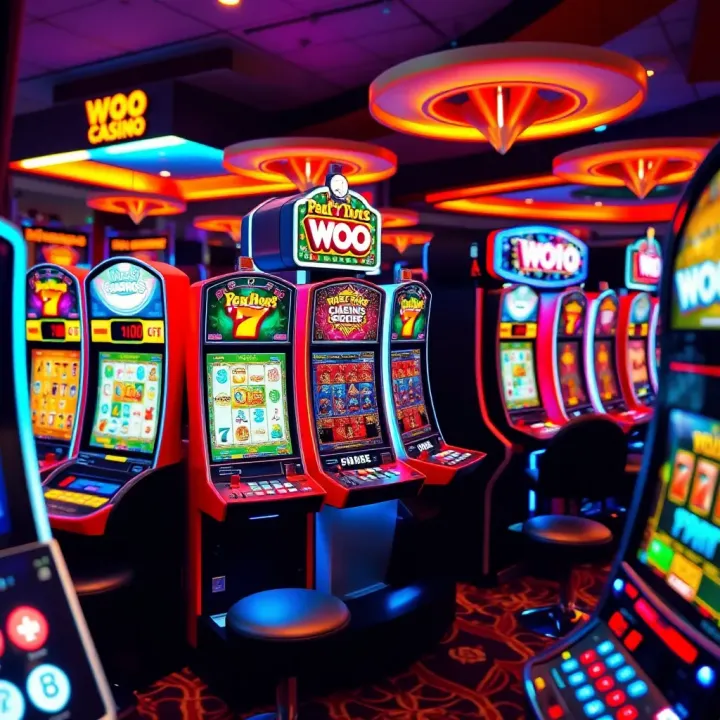
🎰 Explore Woo Casino 6 tailored for Aussies—discover game variety, bonus deals, secure payments, smooth mobile play, and support tips for smart gaming! 🇦🇺
Based on 7 reviews